Every room we enter
leaves differently than it arrived.
We do not decorate spaces. We do not produce events. We design the conditions under which something consequential becomes more likely to happen.
The gatherings we design are not remembered for what happened in them. They are remembered for what became possible.
Selected Engagements
The following engagements illustrate how the practice works. They are composites drawn from the environments, institutions, and tables that shaped it. The founding engagement is real.
The Raising of the White Flag


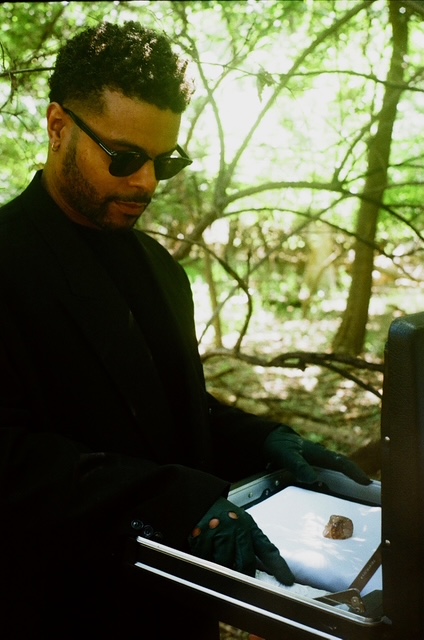
Ziggurat's first engagement was designed the way every engagement is designed. There was a purpose, a site, a score, and a keeper. There was a structured sequence with named movements, a defined opening, a central act, and a deliberate close.
The gathering was built around a single consequential moment, a founder marking the beginning of a new venture with the weight it deserved. The environment was designed to hold that moment.
Nothing about it was accidental. That is always the point.
ENG-0001. The practice is open.The following are composites drawn from the environments, institutions, and tables that shaped the practice. They are illustrative of how Ziggurat works, not attributable to specific clients.
The Room That Changed the Mandate
A senior leadership team entering a critical planning cycle. We redesigned the physical arrangement, the sequence of voices, and the hospitality before a single agenda item was discussed. The outcome shifted before the meeting began.
The Table That Held the Room
A gathering of people who had never been in the same room. We designed the seating, the arrival, the food, and the sequence of exchange. Three relationships began that night that did not exist before it.
A Departure Worth Remembering
An organization closing a chapter after seventeen years. The gathering did not celebrate what was ending. It honored what had been built and opened the door to what was next. People left with more than they arrived with.
The Night the City Listened
A public gathering in a city where trust between residents and institutions had frayed. We designed the room not for presentation, but for honest exchange. The atmosphere made honesty feel safe. The conversation that followed was different because of it.
Twelve People, One Question
A dinner designed around a single question that none of the guests had been asked before. The space, the seating, the sequence, and the hospitality were all oriented toward one moment. The question landed because the room was ready for it.
Every room leaves something behind.
A gathering designed well does not end when people leave. It leaves behind a change in how people see one another, a conversation that could not have happened anywhere else, a sense that something real occurred and that the room had something to do with it.
Ziggurat measures its work not by what happened inside the gathering, but by what became possible because of it.
That is what we design toward. That is what we are accountable to.
A room that is only partially designed
is a room that partially fails.
Intention is not enough. Presence is not enough. Good people in a poorly designed room will produce a lesser version of what was possible.
Ziggurat exists because we believe the conditions for something consequential can be built, not hoped for. Every gathering is a design problem. We take it seriously.
Why the rooms we design hold differently.
We read the environment before we touch it.
Every engagement begins with a threshold survey, a structured reading of the people, the purpose, the authority, and the conditions. We do not design until we understand what the room is trying to hold.
We design what most gatherings leave to chance.
Space. Relationships. Authority. Atmosphere. Time. Most gatherings consider one or two. We design all five, because a room that is only partially designed is a room that partially fails.
We design the departure with the same care as the arrival.
A gathering is remembered by how it ends. We design the close, the transition, the final exchange, the last impression, so that what lingers is not the leaving, but what was built.
Every gathering teaches us something for the next one.
We reflect after every engagement. What the room produced. What the design made possible. What we would change. That knowledge becomes the foundation of the next environment we build.
Tell us about your gathering.
The threshold survey takes five minutes. It tells us what the room needs before we say a word about what we do.
Begin The Survey